How to Choose Heirloom Bean Varieties for Drying and Fresh Eating
Bean catalogues are seductive in a particular way. Every packet promises a prettier pod than last year's, and every description sounds like it was written by someone standing in a warm September garden. The trouble is that a bean bred to rattle dry in a jar by autumn is not the same plant as one you pick at pencil thickness in July and eat straight off the vine. Most of us want both, in a space the size of a parking spot. Choosing well comes down to a few honest questions: how you'll eat the harvest, how much room you can give it, and how long your season runs. The answers narrow the list fast.
Begin With the Kitchen, Not the Catalogue
Before you open a single seed listing, decide roughly what proportion of your bean harvest you want fresh and what proportion you want in jars on a shelf. These are different crops that happen to share a name. Fresh snap beans are eaten pod and all, picked young and cooked within days. Fresh shell beans — the fat, creamy seeds slipped out of a pod that's fully grown but not yet dry — are one of the great underrated garden treats and almost impossible to buy. Dry beans are the storage crop: they need a long, dry finish, then months of patience in a jar.
A household that eats beans twice a week needs a different plan from someone who wants a few decorative jars of speckled seed to give away. Be realistic. Two or three bush plants of a dry variety will give you a modest bowl of shelling beans, not a winter's supply. A three-metre trellis of a productive pole bean, by contrast, can keep a family in fresh picking for two months and still leave pods to dry.
Pole Beans and Bush Beans: What You're Actually Choosing
This is the first fork in the road, and it matters more than colour or seed pattern.
The case for poles
Pole beans are indeterminate: they keep growing and flowering until frost or exhaustion, so you pick over the same plants every few days for weeks. Grown vertically, they crop heavily for the ground they occupy, which suits small gardens with a fence, wall or sturdy tripod going spare. The trade-offs are real. They start bearing later than bush types, they need tall support — two metres or more for the vigorous heirlooms like Cherokee Trail of Tears or Kentucky Wonder — and they sulk in exposed, windy spots. Give them something solid the first week, not the fourth.
The case for bush
Bush beans are determinate and compact, usually knee-high, and most need no support at all. Their harvest is concentrated: you get two or three heavy pickings over a fortnight, then the plants are done. That's a disadvantage if you want a handful of beans every other day, and an advantage if you want to process a batch all at once for freezing or drying. They also mature earlier, which counts for a lot in short seasons. Succession-sow a short row every three weeks until midsummer and you can mimic the pole bean's long harvest with bush plants.
Snap, Shell, Dry: Learn the Three Harvest Windows
Many heirloom beans are dual or triple purpose, and knowing the windows lets you pick one variety for two jobs. Snap beans are harvested young, before the seeds inside swell. Shell beans come a few weeks later, when the pod is full but still soft and the seeds taste sweet and starchy. Dry beans come last, when the pods turn leathery, then papery, then rattle.
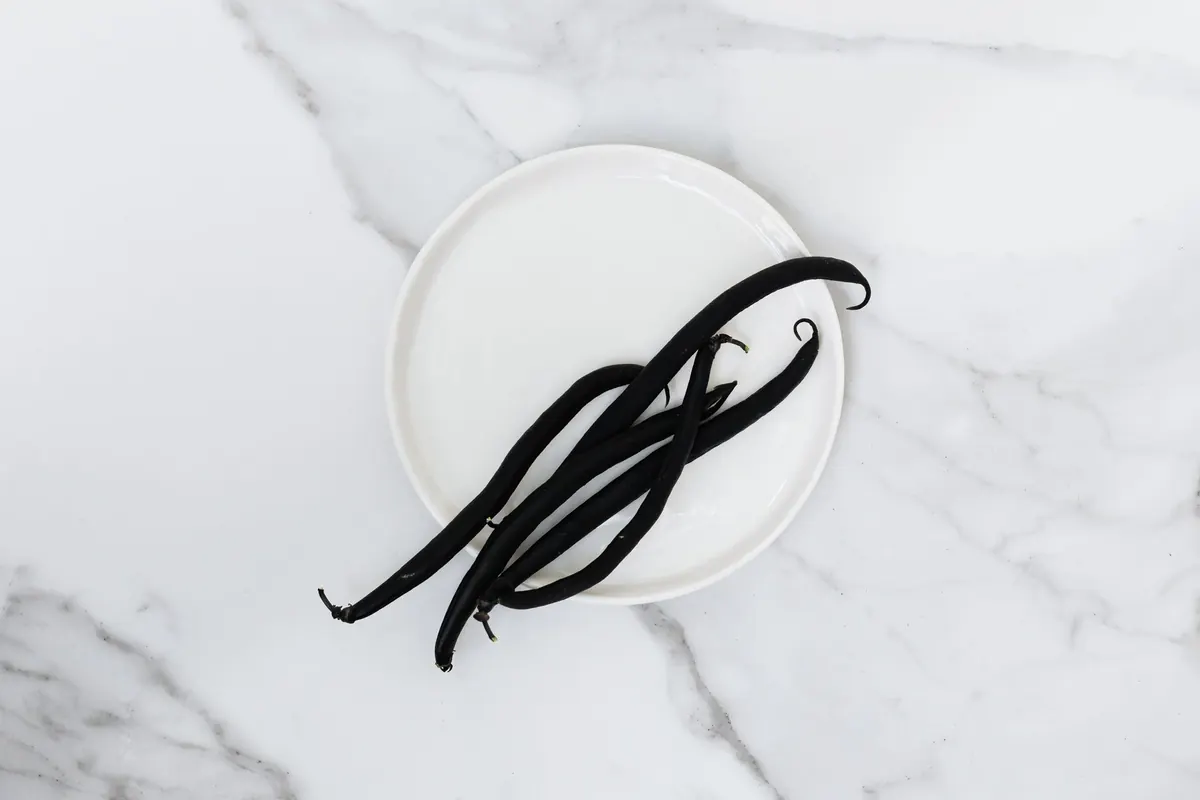
Some dependable examples: Cherokee Trail of Tears, a pole bean with purple-streaked pods and shiny black seeds, works as a snap, a fresh shell and a dry bean. Rattlesnake is another vigorous pole with streaked pods and good snap quality. Tiger's Eye, a bush type with yellow-and-maroon seeds, is excellent as a fresh shell and dependable dry. Jacob's Cattle, also bush, is a classic drying bean but worth eating green-shelled. Good Mother Stallard, a pole variety with large maroon-speckled seeds, is grown almost entirely for shelling and drying. Dragon Tongue, a Dutch bush wax bean, is superb fresh and disappointing once the pods toughen. Scarlet Runner beans prefer cool summers, produce beautiful flowers, and cross-pollinate readily with other runners — worth knowing if you plan to save seed.
One rule of thumb: thin-fleshed pods dry down faster and more reliably than thick, meaty snap pods, which can mould in a wet autumn.
Fitting Heirloom Varieties to Your Climate and Season
Beans are tender annuals. They germinate poorly in cold soil — wait until the ground is around 15°C and the last frost has passed — and they stop setting pods in the worst heat. If your frost-free season is short, favour early bush varieties and expect dry beans to be a gamble; grow the same plants for fresh shelling instead, which needs weeks less. In humid, rainy autumns, choose an airy trellis and plan to finish drying indoors. Where summers are cool and coastal, runner beans and broad beans (a different species, sown in autumn or late winter) are far more reliable than common beans. In hot climates, sow dry-bean crops in late summer so the pods mature in autumn's gentler weather.
If you intend to save seed, note that common beans are strongly self-pollinating and stay true with modest separation between varieties. Runner and lima beans cross more freely and need more distance, or a barrier of another crop.
Growing for Dry Storage: What Changes in the Garden
Dry beans reward a slightly different touch than snap beans.
- Don't crowd them. Air movement is what dries pods. Give bush rows 45–60 cm between rows and 10 cm between plants; space pole beans along the trellis so leaves dry quickly.
- Go easy on nitrogen. Beans fix their own once established. Rich manure or heavy feeding produces leafy plants that flower late and set few pods.
- Water steadily, then ease off. Keep moisture even until pods are full, then reduce watering as they yellow, to help the plants dry down.
- Harvest at the right moment. When most pods are brown and rattling, pull or cut the plants at the base and hang them upside down in a dry, airy shed or garage over a sheet. In wet weather, pick pods individually as they turn leathery and finish them indoors.
- Dry and store properly. Seeds are ready when a fingernail leaves a dent rather than crushing them. A few days in the freezer kills any bean weevil eggs, after which airtight jars in a cool, dark cupboard will keep the harvest for a year or more.
A Short Checklist Before You Order Seed
- How many fresh meals do I want, and how many jars?
- Do I have a wind-proof support two metres tall, or only open ground?
- How long is my frost-free season, and when do nights drop below 10°C?
- Are my autumns wet or dry? That decides whether dry beans are realistic.
- Do I want one big processing harvest, or picking every few days?
- Am I saving seed this year? If so, favour self-pollinating types.
- Does the listing state growth habit and days to maturity clearly? Check twice — catalogues mislabel pole and bush more often than you'd think.
A Small-Garden Plan That Works
If you have one bed and limited time, try this: a three-metre trellis of a dual-purpose pole bean such as Cherokee Trail of Tears for snap picking through summer and a few jars of black seeds in autumn; two short rows of a bush drying bean like Tiger's Eye or Jacob's Cattle for shelling; and a single sowing of an early bush snap for the first fresh pods in early summer. Add a second sowing three weeks later if you want to stretch the fresh season.
Then keep notes — sowing date, first pick, the week the pods started to rattle, anything that mildewed. Two seasons of your own scribbles will teach you more about which heirloom beans belong in your garden than any description ever will.
You Might Also Like
A practical checklist for drying, labelling, moisture-testing and storing homegrown seeds, so what you save this autumn still germinates strongly next spring.
Soil temperature, not the calendar, decides when a seed wakes up. How to measure it, and which crops want cool ground or warm.