Heirloom Tomato Varieties for Cool Short Seasons
Every mountain garden teaches the same lesson: the season you plan for and the season you get are rarely the same thing. Frost can hold on into June, nights drop to 8°C in August, and the first serious cold arrives while the beefsteaks are still hard and green. That does not mean giving up on flavour. It means choosing tomatoes that were bred, generation after generation, in places with short summers and cold nights — Siberia, Manitoba, Sweden, the Czech highlands, the Apennine slopes — and giving them a start that matches their ambition.
What follows is a working list, not a catalogue. These are varieties that home growers in cool climates return to because they actually fill a basket, plus the timing tricks that decide whether you pick ripe fruit in August or a pile of green ones in October.
What "Early" Actually Means on a Seed Packet
Days to maturity is the number most of us ignore and then blame on the weather. For tomatoes, it is almost always counted from transplanting, not from sowing. A packet that says 60 days means 60 days from the day the seedling goes into the ground — so add the six to eight weeks it spent indoors. If your last frost is around 20 May and your first autumn frost lands in the middle of September, you have roughly 120 days of growing season. Suddenly a 75-day tomato looks generous and an 85-day one looks like a gamble.
Air temperature matters as much as time. Tomato pollen goes sticky and reluctant when nights fall below about 13°C, and flowers simply drop without setting fruit. A plant can look magnificent, flower heavily through a cold June, and carry nothing. This is why the varieties below are chosen for two things at once: they ripen quickly and they set fruit at lower night temperatures than the big commercial types.
One more caution. A variety described as "cold tolerant" is not frost tolerant. It means the plant keeps setting and ripening under cool conditions. It still dies at zero.
The Reliable Core: Five to Start With
If you have space for six plants and no patience for experiments, plant these. All are open-pollinated, so seed you save will come true.
- Stupice — Czech breeding, potato-leaf foliage, and the benchmark for early flavour in cool gardens. Small round fruit, 60–80 g, sweet with a bright acidic edge. It sets reliably when other plants sulk, and it keeps producing until frost. Not a show tomato; a working one.
- Glacier — a Swedish heirloom with a compact habit and small, 50–70 g fruit that ripen close to the ground where the air is warmest. Flavour is mild and pleasant rather than thrilling, which makes it a good sauce and salad tomato and a superb first harvest.
- Moskvich — Russian, early, and unusually well-flavoured for its speed. Fruit of 150–200 g with dense, rich flesh and a good balance of sugar and acid. Slightly larger plants, so give it a stake and room to breathe.
- Sub Arctic Plenty — developed for the short Canadian prairie season. Small fruit, determinate plants that stop growing and concentrate on ripening, and remarkable tolerance of cold nights. The flavour is decent, the reliability is exceptional.
- Oregon Spring — a compact, meaty slicer that sets fruit in cooler weather than most. Mild and low-acid, useful in sandwiches and for people who find sharp tomatoes harsh. Pick it slightly before full colour.
Small Fruits, Fast Rewards
Cherry and currant types ripen faster than anything else in the garden, and they are the varieties that make a cold summer feel like a success. Matt's Wild Cherry produces pea-sized fruit in astonishing numbers on sprawling plants; the flavour is intense and sweet-tart, and volunteers often appear the following year. Isis Candy gives bicoloured cherries with a sweeter, almost fruity profile and a more manageable habit.
For something between a cherry and a slicer, Jaune Flamme is worth the space: golden-orange fruit of about 70–100 g, thin-skinned, tangy and heavy-cropping, excellent roasted with garlic and oil. Plants are tall and productive, so pinch the growing tip in late summer to push energy into the fruit already hanging.
Hearts and Dark Slicers for Real Summer Flavour
Cool-climate growing does not have to mean small fruit and modest flavour. A few larger heirlooms manage both.
Anna Russian
An early oxheart with thin skin and sweet, almost melon-like flesh. It arrived in North America through a Russian family's saved seed and has stayed popular because it ripens weeks before most hearts. Handle gently; the fruit bruises.
Black Prince
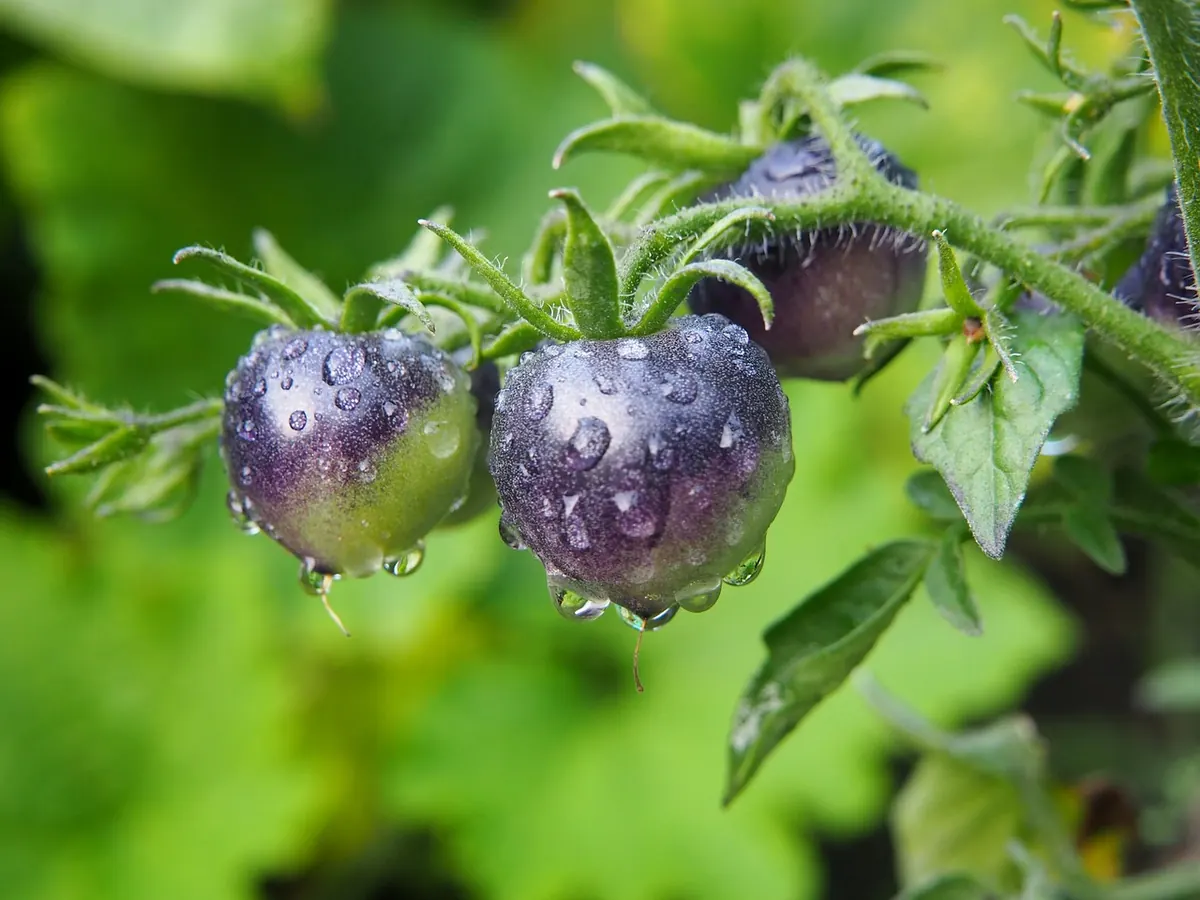
From Siberia, with 150–200 g fruit that turn deep mahogany at the shoulders. Rich, smoky and sweet, and early enough to be worth growing at altitude. The flavour is best in the first harvest; later fruit in cool weather can taste flat, so pick promptly.
Sophie's Choice
A Canadian selection that produces flattened, bicoloured fruit of 200 g or more in a genuinely short season, which is unusual for something this size. Sweet and mild. Its compact plants suit a cold frame or a sheltered wall.
If you want a pink slicer for the mid-season slot, Rose de Berne is a sensible Swiss choice: fine-flavoured, not the earliest, but far more forgiving of cool nights than the big Mediterranean beefsteaks.
Paste Types and the Drying Tradition
Principe Borghese belongs in every short-season garden. It is a small Italian plum, determinate, and ripens its whole crop in a concentrated burst — which is exactly what you want when frost is coming. The flesh is firm and dry, low in water, and it dries well in a warm, airy room or a low oven. Flavour is strong and slightly sharp, ideal for sauce and paste.
Be realistic about the famous long-season pastes. San Marzano and the big Costoluto types need heat and time, and in a marginal climate they often deliver green fruit and disappointment. Grow them under cover if you must, or save them for a warm year.
Five Growing Moves That Buy You Weeks
- Raise sturdy transplants, not tall ones. Sow six to eight weeks before your last frost and give seedlings 14 hours of light so they stay stocky. Cool indoor temperatures of around 16–18°C produce thicker stems than a warm windowsill.
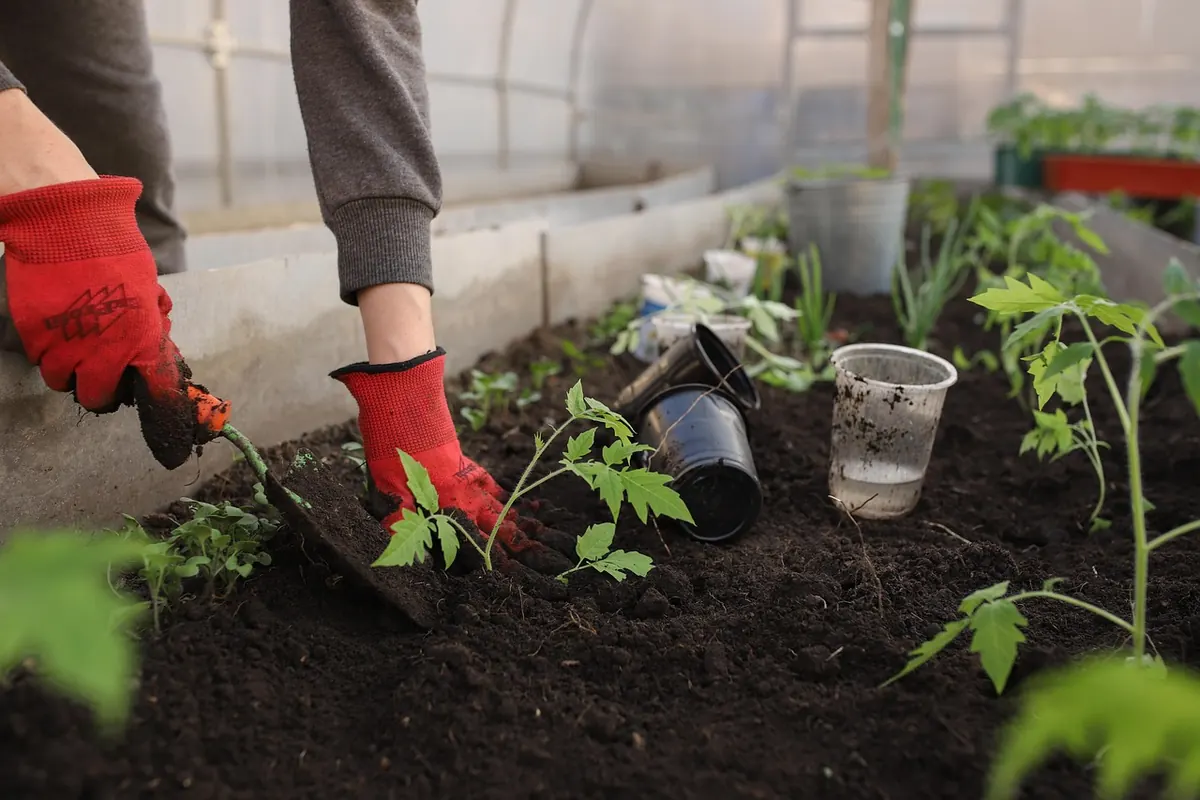
- Warm the soil before planting. Lay black plastic or a woven mulch two weeks ahead. Tomatoes sit still in soil below roughly 15°C; a warm root zone is worth more than a warm week of air.
- Protect the first flower trusses. A cloche, a water-filled wall or a floating row cover at night can carry a plant through a cold snap. Open or remove covers by day so pollinators and wind can move the pollen.
- Plant deep and lean the stem. Bury two-thirds of the stem sideways; roots form along it and the plant establishes faster. Water at the base, never overhead, and keep leaves dry to slow disease.
- Prune for ripening, not for size. Remove suckers below the first truss and strip yellowing lower leaves for airflow. In late summer, pinch out the growing tip two or three leaves above the top cluster so the plant finishes what it has instead of starting more.
- Finish fruit indoors. At the end of the season, pick fruit that shows the first blush of colour and let it ripen on a tray in a cool room. Fruit picked at the breaker stage ripens with acceptable flavour; fully green fruit never quite gets there.
Save Seed and the Next Cold Year Gets Easier
Start with fewer varieties than you think you need — four or five, planted twice, is plenty for a household. Grow them well rather than wide, and keep notes: sowing date, first ripe fruit, which plant set through the cold week in June. Those notes become your own days-to-maturity data, far more useful than any packet printed in another climate.
Saving seed closes the loop. Ferment the seed and gel from your best fully ripe fruit in a jar of water for a few days, rinse, dry on a plate, and store cool and dark. Keep a little distance between varieties you save — twenty metres is generous, ten is usually workable in a home garden with hedges and buildings in between — and rogue out any plant that is late, shy to set fruit or prone to disease. Do this for three or four seasons and you will be growing tomatoes adapted to your own slope, your own frost dates and your own cold nights. That is the quiet advantage of heirloom seed: it is not a museum piece, it is material you can keep selecting.
Photo: flockine / Pixabay

You Might Also Like
A practical checklist for drying, labelling, moisture-testing and storing homegrown seeds, so what you save this autumn still germinates strongly next spring.
Soil temperature, not the calendar, decides when a seed wakes up. How to measure it, and which crops want cool ground or warm.