Common Seed Sowing Mistakes That Reduce Germination
A tray of seed compost with nothing in it is one of the quiet disappointments of gardening. You chose the variety, filled the pots, watered carefully, waited two weeks, and got four sprouts out of twenty. Usually nothing exotic has gone wrong. Germination fails for small, ordinary reasons: a seed buried twice as deep as it should be, a surface that dried out during one warm afternoon, a windowsill that was several degrees colder than it felt. The encouraging part is that all of these sit within your control, and most can be corrected in the next sowing.
The Most Common Mistake: Sowing Too Deep
A seed carries a fixed reserve of energy. That reserve has to push the first root down and the first shoot up through whatever sits above it. Bury a bean three inches deep in heavy compost and it may run out of fuel before it reaches the light. Bury a lettuce seed a centimetre under and it often never appears at all.
The old rule of thumb still holds: cover the seed with compost to roughly two or three times its own diameter. That means a pinch of dust over lettuce and celery, half an inch for a tomato or a chilli, a full inch or more for peas, beans and squash.
Seeds that need light to germinate
Lettuce, celery, dill and several small-seeded herbs germinate better when exposed to light. Press these gently into the surface of firmed compost and leave them uncovered, or sift a whisper of vermiculite over the tray — just enough to hold moisture without burying them.
Whatever you are sowing, firm the compost afterwards. Press it with a flat board or the base of another tray, firmly enough that the seed sits in full contact with damp compost, but not so hard that it turns airtight. Air pockets beneath a seed are nearly as damaging as burial.
Watering: Too Wet, Too Dry, or Too Impatient
Seeds need steady moisture, not a soaking. The mistake most people make is inconsistency rather than scarcity: the tray is drenched on Sunday and bone dry by Wednesday afternoon.
Overwatering does more damage. Saturated compost holds no air, and seeds need oxygen even while dormant. A seed sitting in waterlogged mix will often rot before it sprouts, and any seedling that does emerge becomes a prime target for damping off, the fungal collapse that flattens a tray almost overnight.
A few habits prevent most of it:
- Water from below where possible. Stand the tray in a shallow container for fifteen minutes, then let it drain fully. The surface stays intact and the seed is not displaced.
- Use a fine rose or a spray bottle on newly sown trays, and stop the moment the surface darkens.
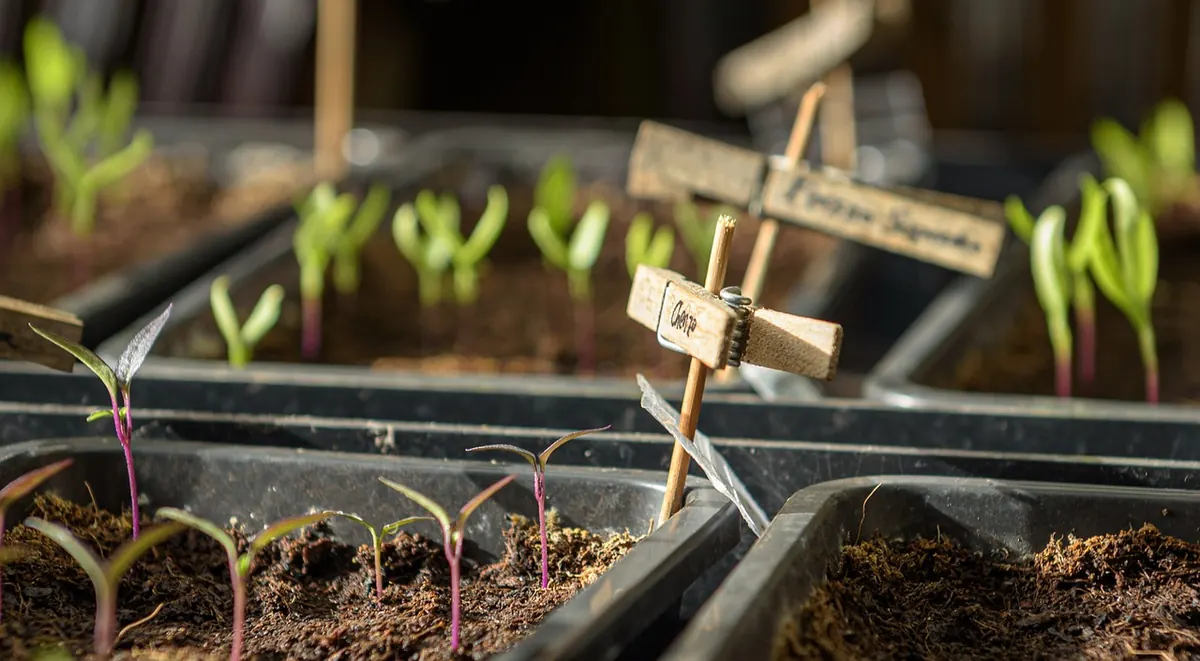
- Cover trays with a clear lid, a sheet of glass or damp newspaper until the first sprouts show. This keeps humidity even and cuts how often you need to water. Remove the cover as soon as green appears, or the seedlings will stretch.
- Check twice a day in warm weather. A surface that looks damp at nine in the morning can be dry by three.
In open ground the same principle applies. If you sow into a fine tilth and it bakes into a crust before the seedlings emerge, the shoots simply cannot break through. Light, regular watering, or a thin layer of compost over the row, keeps the surface open. A seed that has started to germinate and then dries out rarely recovers.
Temperature: The Variable You Cannot See
Every seed has a range of soil temperatures in which it germinates reliably, and a windowsill or cold frame is rarely the temperature you assume. A kitchen sill can feel warm at midday and drop sharply at night, which slows germination and makes it patchy.
Broadly: tomatoes, peppers, aubergines, chillies, basil, cucumbers and squash want compost around 20 to 25°C. Lettuce, spinach, peas and the brassicas germinate happily at 10 to 15°C and can turn slow and erratic if kept too warm. Parsley is famously slow and rewards patience and steady conditions.
A cheap soil thermometer is worth more than any gadget in the shed. Push it into the compost rather than the air, and read it in the early morning. If you use a heat mat or propagator, use it to start germination only, then move trays off the heat as soon as seedlings are up; bottom heat on established seedlings produces soft, stretched growth.
Cold and wet together is the worst combination. If your sowing area is unheated, wait a fortnight rather than sowing into soil that will sit at eight degrees for a month.
Spacing, Crowding and the Reluctance to Thin
Sowing thickly feels safer, as though extra seeds are insurance. In practice, crowding causes more failures than it prevents. Seedlings jammed together compete for light and stretch towards it, producing weak, leggy plants. Air movement drops, humidity rises, and damping off spreads through a dense clump within days.
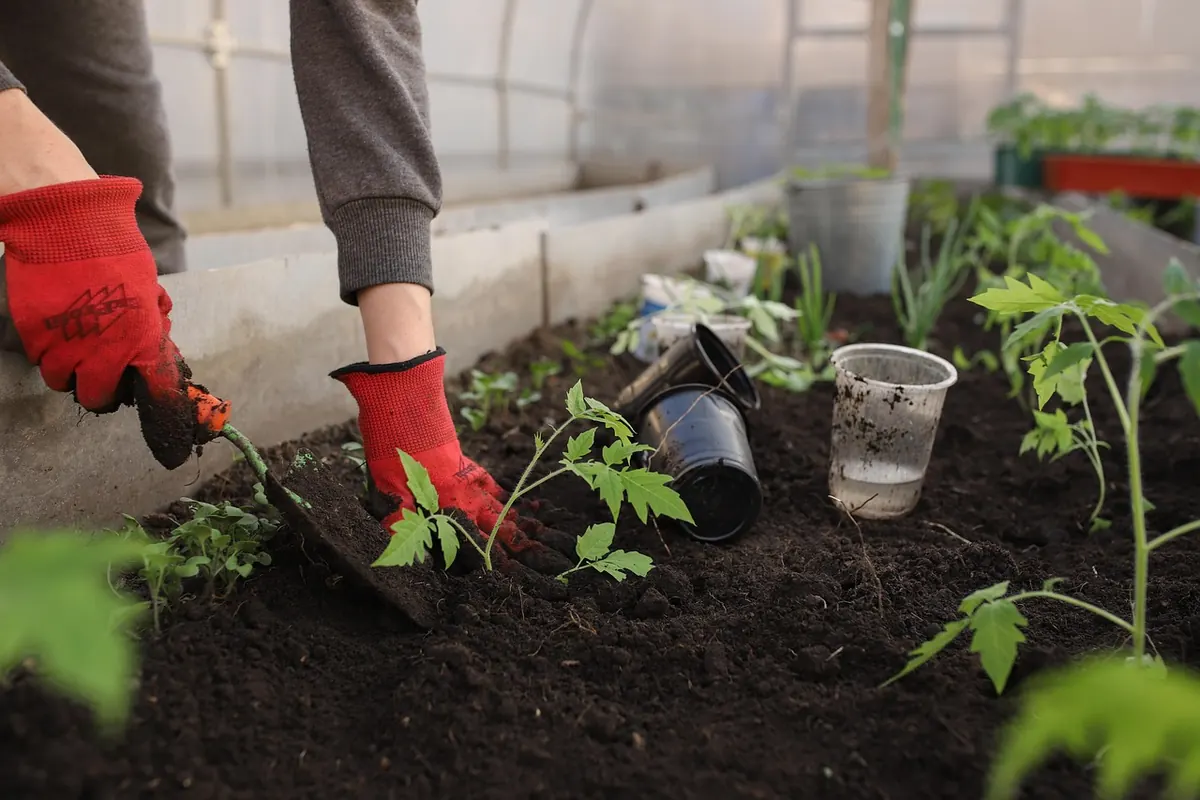
Sow thinly, aiming for the number of plants you actually want plus a small margin. Then thin early, while the seedlings are small and the roots have not yet tangled.
- Water the tray or row the day before, so the compost is soft.
- Keep the strongest seedling in each cluster: short, sturdy, well coloured.
- Snip the extras at soil level rather than pulling them, which disturbs the roots beside them.
- Follow the spacing on the packet, which describes the mature plant, not the seedling.
The same logic applies in modules. A cell that takes one seed should get one seed. Two or three per cell costs you a fiddly job later and often gives you a weaker plant.
Compost, Containers and Other Quiet Problems
Garden soil in a seed tray is a common shortcut and usually a poor one. It is heavy, drains badly in a confined space, and carries weed seeds and the fungi behind damping off. Use a fresh seed mix instead: fine, free-draining and low in nutrients, which is what seedlings need until they have true leaves.
Check that every container has drainage holes and wash old trays before reuse. Fill loosely, level the surface, firm gently, and leave a small gap below the rim so water does not wash the seed over the edge. Ventilation matters too — a tray sealed in a warm plastic bag will germinate, but it will also grow mould.
Old Seed and Unrealistic Expectations
Not every failure is a technique problem. Seed loses viability with age, and storage conditions matter more than the date on the packet. Seed kept in a hot shed or a damp drawer declines far faster than seed kept cool and dry in a sealed container.
If a packet is two or three seasons old, test it before committing a whole tray. Put ten seeds on damp paper towel, fold it, seal it in a bag and keep it warm. Check after a week or so. If fewer than half sprout, sow more thickly or buy fresh. Onions, parsnips and leeks are short-lived; beans and brassicas usually keep well.
Before You Sow: A Short Checklist
Run through this in the five minutes before opening a packet, and most germination problems disappear:
- Is the compost fresh, damp and firm, with drainage holes in the tray?
- Is the seed covered to no more than three times its own diameter — or left on the surface if it needs light?
- Will the tray stay evenly moist without sitting in water?
- Is the soil temperature right for the crop, checked with a thermometer rather than assumed?
- Have you sown thinly enough to avoid thinning a clump later?
Germination is mostly a matter of removing small obstacles and then leaving things alone. Get the depth, the moisture and the temperature right, keep the tray somewhere you will actually look at it twice a day, and the packets will do the rest.
Photo: AndreasGoellner / Pixabay

You Might Also Like
A practical checklist for drying, labelling, moisture-testing and storing homegrown seeds, so what you save this autumn still germinates strongly next spring.
Soil temperature, not the calendar, decides when a seed wakes up. How to measure it, and which crops want cool ground or warm.