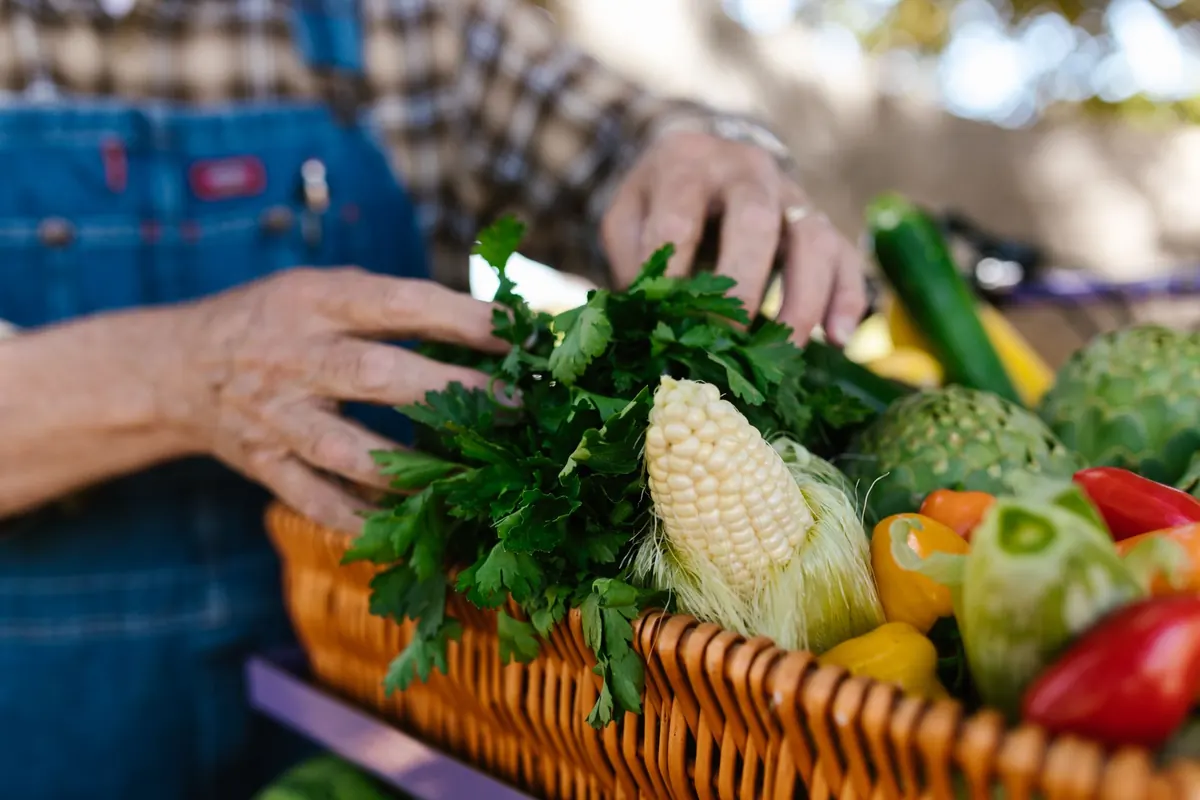
When to Harvest Vegetables for Best Flavor and Seed Viability
A zucchini left on the vine one extra day goes from tender to seedy. A tomato picked at first blush will ripen on the counter, but it will never taste like the one that stayed on the plant until it was warm and heavy in the hand. And the bean pod that snaps perfectly for dinner is useless for seed, because the seed inside is still soft and full of water. Harvest timing is really two skills in one: reading a plant for eating quality, and reading it again for seed maturity. Both are learnable, and both reward a slow walk through the garden each morning with nothing more than a basket and a bit of attention.
Reading the Plant, Not the Calendar
Days to maturity printed on a seed packet are a rough forecast, not an appointment. They assume average weather, decent soil and a healthy start, and they are counted from sowing or from transplanting depending on the crop. A cold spring stalls everything; a hot, dry July pushes crops through faster than the packet predicts. Treat the number as a signal to start paying closer attention, then let the plant itself make the decision.
That means using your senses rather than a date. Color is the obvious one, but weight, firmness, smell and even sound carry just as much information: a ripe melon smells sweet at the blossom end, a good cucumber feels heavy for its size, and a watermelon gives a dull hollow thump rather than a flat thud. Pick in the morning when tissues are crisp and cool, and get tender crops like corn, peas and greens into the shade or the refrigerator quickly.
Keep a short record, even if it is just a line in a notebook: variety, sowing date, first harvest, what the plant looked like on the day you picked. Two seasons of those notes will teach you more about your own ground than any general guide.
Fruiting Crops: Color, Feel and a Slight Give
Tomatoes and peppers
A tomato is ready when the color is even across the fruit and the shoulders give slightly under a thumb. Most of the flavor develops in the final days on the vine, so pick at full color for eating fresh, and pick at first blush only when something is coming — heavy rain, an early frost, or a long journey to the kitchen. Cherry tomatoes make it easy: when they slip into your hand with barely a tug, they are done. Keep ripe tomatoes out of the refrigerator, which flattens their flavor and turns the texture mealy.
Sweet peppers follow the same logic. A green pepper is simply an unripe one; it turns red, orange or yellow with time, gaining sugar and depth along the way. A ripe pepper feels heavy for its size and the skin looks glossy and tight. If you want a long season, pick some fruit green to keep the plant setting more, and let a few ripen fully for sweetness.
Cucumbers, squash and beans
Cucumbers are best small and firm — roughly 10 to 15 cm for slicing types. Leave them too long and they turn yellow, seedy and bitter, and the plant slows down. Summer squash is the same story: pick at 10 to 15 cm, while the skin can still be nicked by a thumbnail. Check every two days in warm weather, because a marrow hides under a leaf faster than you would believe.
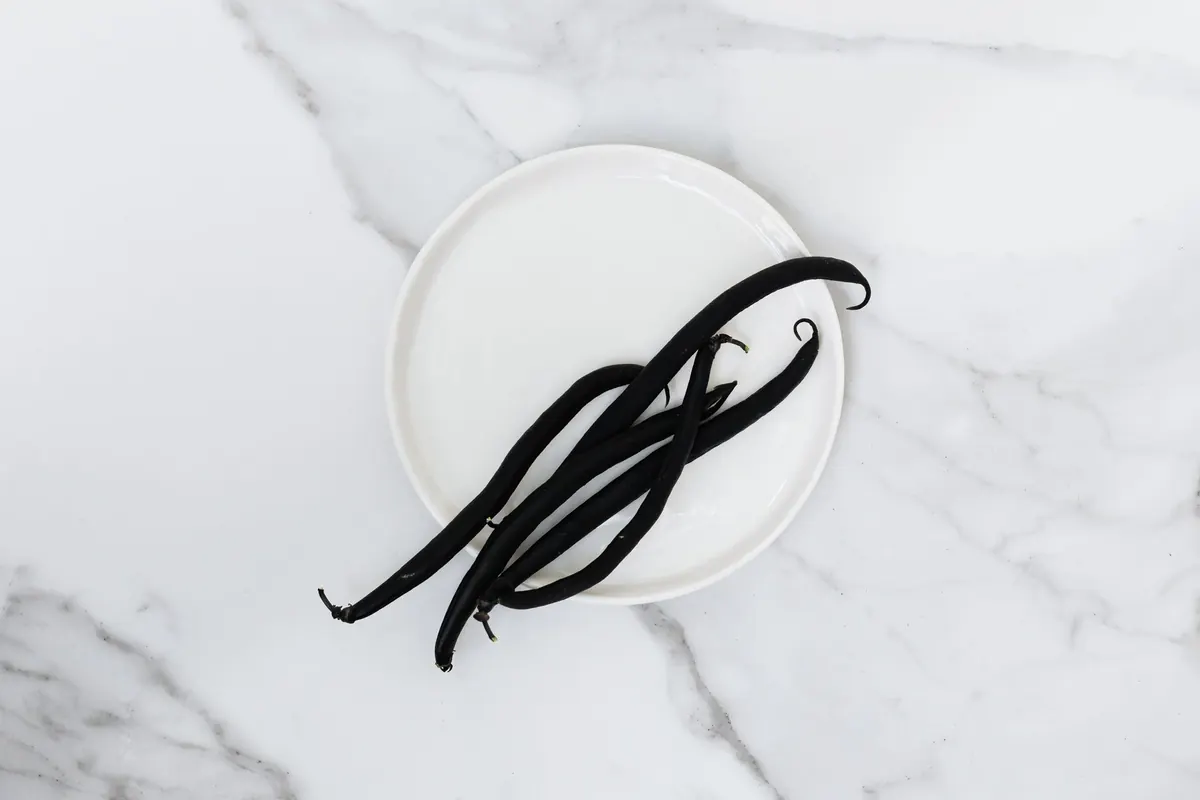
Beans pass the snap test. Bend a pod; it should break cleanly with a crisp sound and no stringy fiber. Eggplant is ready when the skin is glossy and a gentle press of a thumbnail leaves a mark that fades. Dull skin means overripe and seedy. For peas, pick snow peas flat and shelling peas when the pods are full and rounded but still bright.
Corn, melons and winter squash
Corn is ready when the silks have browned and dried and a kernel pierced near the tip of the cob releases milky juice. Watery juice means too early; doughy means past its best. Cook it within minutes of picking, because the sugar starts turning to starch almost immediately. Cantaloupes slip from the vine with a light twist when ripe; watermelons show a creamy field spot where the fruit rested on the ground and a dry brown tendril on the stem nearest the fruit. Winter squash is ready when the rind is hard enough that a thumbnail will not dent it and the stem has dried and corked over.
Roots, Bulbs and Greens: Size Is a Poor Guide
Underground crops give you less to work with, so dig one and look before you commit to a whole row. Watering the day before harvest loosens the soil and cuts down on broken carrots. And do not leave roots in the ground hoping for a bigger haul; most of them turn woody, pithy or harsh once they pass their prime.
- Carrots: shoulders roughly 2 cm across. Pull a tester first.
- Beets: 5 to 7 cm across; larger roots go woody and intensely earthy.
- Radishes: check every couple of days, or they split and turn pithy.
- Onions: tops fall over and necks shrink and dry. Lift, then cure before storing.
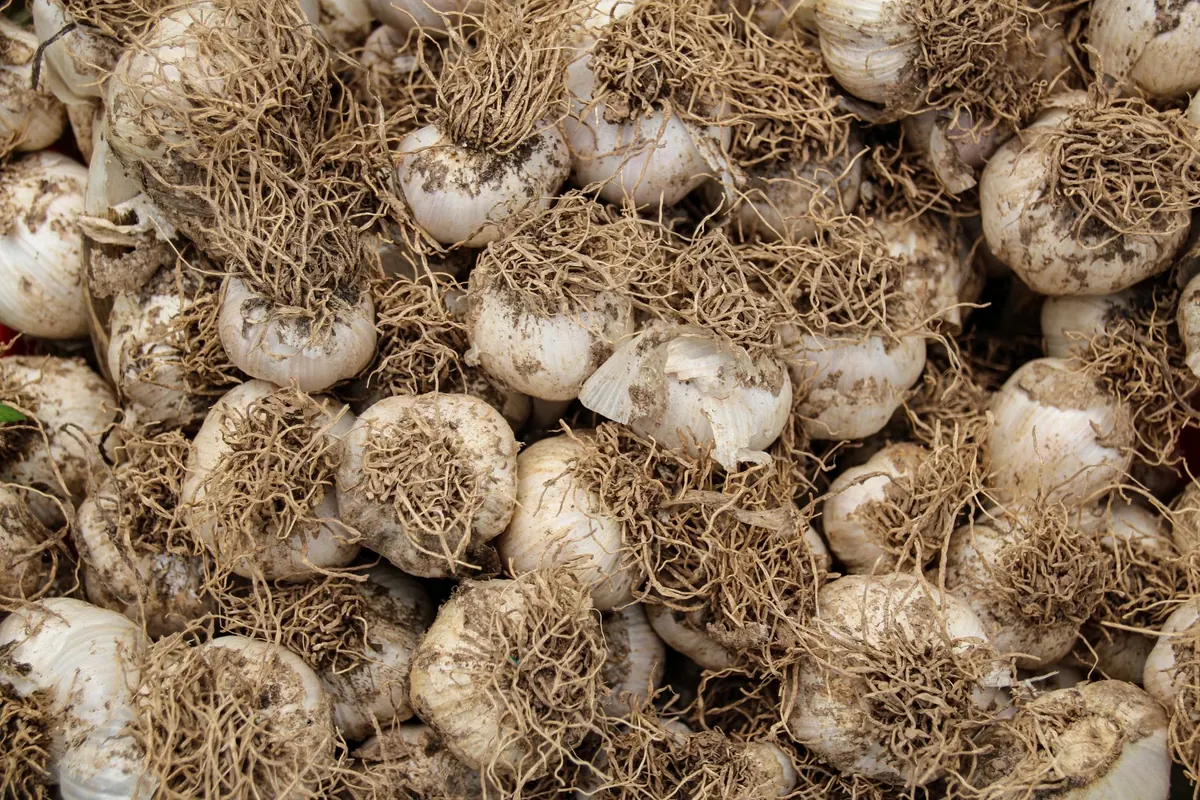
- Garlic: the three or four lowest leaves brown while the upper ones are still green.
- Lettuce and leafy greens: cut outer leaves young, before a flower stalk starts to push up.
With greens, taste is the most reliable test. Heat and the approach of bolting push bitterness up quickly, so if a leaf tastes harsh, harvest the whole plant rather than waiting for it to improve.
When the Goal Is Seed, Let It Go Past Ripe
Saving seed means deliberately letting a crop pass the point where you would want to eat it. Seed needs to reach full maturity on the plant; pods and fruits picked early may look fine but hold seed that is still filling out and will germinate poorly, if at all.
Beans and peas are the easiest introduction. Leave pods on the plant until they turn papery and rattle when shaken, and the seed inside is hard enough that a fingernail will not dent it. Cucumbers and summer squash for seed are left until they swell far beyond eating size and turn yellow to brown. Tomatoes are picked slightly overripe and soft, then the seed is fermented and rinsed. Lettuce is left to bolt, flower and set fluffy heads, which are collected as they dry.
Some crops take patience. Carrots, onions, beets and most brassicas are biennials: they need a second year, usually through a winter, before they flower and produce seed. Plan space for them accordingly.
Two rules matter more than any technique. First, only save from your best plants — never from the one that bolted first, sulked all season or showed disease. Second, know what you are growing: seed from hybrids will not come true, while open-pollinated varieties will. Be aware that squash, melons, brassicas and beets cross readily with relatives, whereas tomatoes, beans, peas and lettuce are largely self-pollinating and much simpler to keep pure. Reliable isolation distances vary by crop, so check a local guide if purity matters to you.
Drying, Cleaning and Storing
- Harvest seed on a dry morning once the dew has lifted, and take only fully mature pods, heads or fruits.
- Spread material in a single layer on a screen, paper plate or sheet of newspaper in a dry, shaded, airy spot. Stir daily.
- For tomatoes, squeeze seed and gel into a jar with a splash of water and leave it three to five days until a mold layer forms and the good seed sinks. Rinse thoroughly.
- Test dryness: a fully dry bean or pea shatters when bitten rather than bending, and a dry seed head crumbles in the hand.
- Label everything with crop, variety and year, and store in paper envelopes or sealed jars in a cool, dark, dry place.
Seed keeps for different lengths of time depending on the crop. Onions, leeks and parsnips are short-lived; beans, tomatoes and lettuce hold much longer. Before you stake a whole season on older seed, sprout a few between damp paper towels on a windowsill and count how many germinate.
A Harvest Routine That Pays You Back
The gardeners who get the best flavor and the cleanest seed are rarely doing anything complicated. They simply walk the plot every morning with a basket, pick the tender things while they are still tender, and carry a second small container for anything heading to seed. They harvest beans and zucchini far more often than feels necessary, and they taste as they go — eating one pea, one cherry tomato, one leaf before filling a bucket.
Start there. Pick in the cool part of the day, chill quickly, and let the plant tell you when. The calendar can wait.
Photo: RDNE Stock project / Pexels

You Might Also Like
A practical checklist for drying, labelling, moisture-testing and storing homegrown seeds, so what you save this autumn still germinates strongly next spring.
Soil temperature, not the calendar, decides when a seed wakes up. How to measure it, and which crops want cool ground or warm.