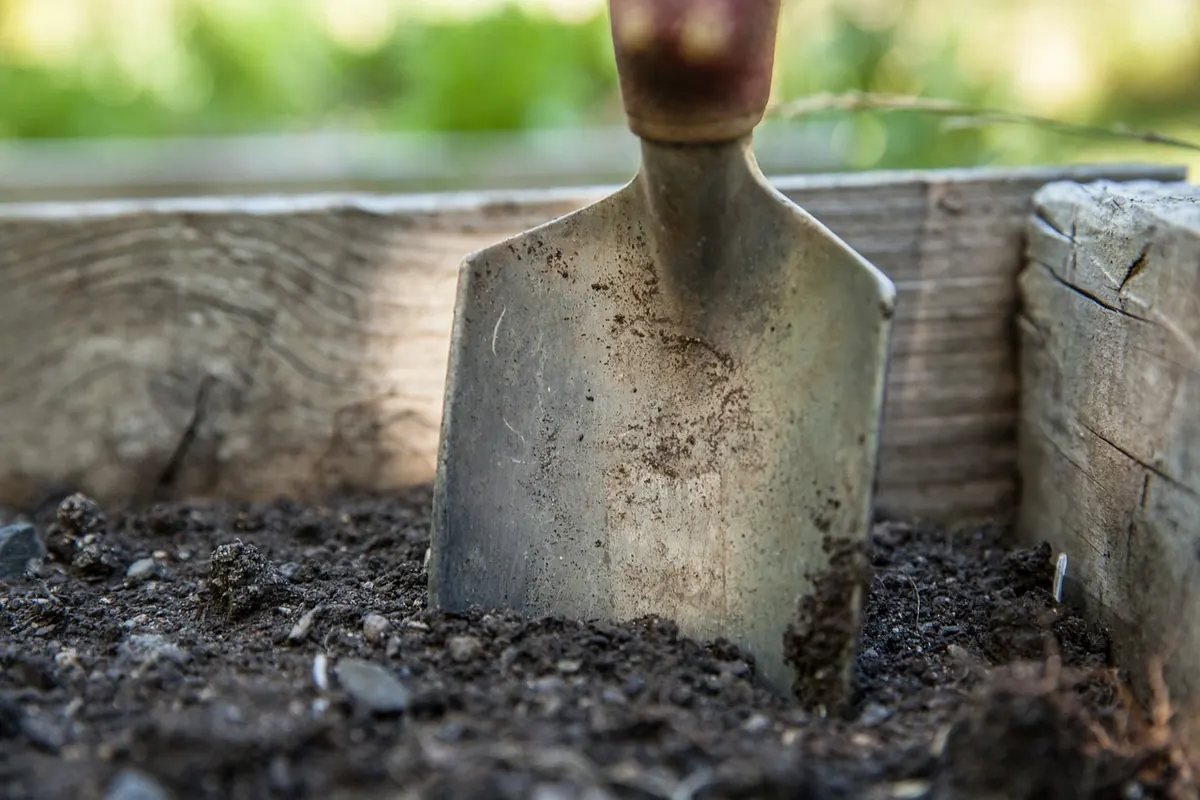
A Beginner's Guide to Saving Seeds from Your Garden
By late August, the best tomato in the garden is hanging heavy and a little past its prime, and it feels almost wrong to eat it. That impulse — save this one — is where every seed saver begins. Saving your own seed costs next to nothing, closes the loop on a season, and gradually gives you varieties that fit your soil and your habits better than anything a catalogue can offer. It also asks for a bit of discipline: the seed has to be ripe, dry, labelled, and grown from plants that weren't quietly crossed with the neighbour's. None of that is hard. What follows is the straightforward version.
Begin with crops that forgive you
The most important decision happens before you plant anything: choose open-pollinated varieties, not F1 hybrids. Seed saved from a hybrid will still grow, but the plants in the next generation scatter in every direction — some tall, some small, some bitter. Open-pollinated and heirloom varieties come back close to the parent, season after season, especially if you keep selecting from your best plants.
For a first year, pick the easy ones: beans, peas, lettuce, tomatoes, peppers, and flowers such as calendula, poppies and nasturtiums. These are annuals, they set seed in a single season, and they're generous with it. Leave biennials alone for now — carrots, onions, parsnips, leeks and most brassicas need to overwinter and flower in their second year, which takes space and patience you may not want to spend yet.
And save from your best plants, not the stragglers you didn't get around to eating. That means the healthiest lettuce that bolted last, the bean plant that cropped heaviest, the tomato with the flavour you actually want again. Saving from the weakest plant is how varieties slowly go downhill.
Understand who pollinates whom
Every seed carries two parents, and how those parents found each other determines whether your seed will come true. The crops divide neatly into two camps.
Self-pollinators pollinate themselves before the flower even opens. Tomatoes, beans, peas, lettuce and most peppers fall here, which is why they're such friendly beginner crops — a tomato plant two rows away from a different variety will rarely swap pollen with yours.
Cross-pollinators depend on insects or wind to move pollen between plants. Squash, cucumbers, melons, pumpkins, brassicas, carrots, beets, chard, spinach and corn all belong here. Grow two varieties of the same species for seed and they'll likely mix.
Species is the key word. All Cucurbita pepo squash — courgettes, patty pans, acorn squash and many pumpkins — can cross with each other. A courgette crossed with a pumpkin gives you seed that grows into something tough and disappointing. Crossing only shows up in the next generation, though, so a crossed fruit still tastes perfectly fine this year.
Keeping varieties apart
The simplest strategy is the cheapest one: don't grow two varieties of the same cross-pollinating species for seed in the same year. One squash, one beet, one chard. If you have neighbours with gardens, a little more care is needed, but a few dozen metres of distance and a hedge or shed between varieties helps a great deal. Wind-pollinated corn is the exception — its pollen travels far, so grow only one variety, or separate plantings by a few weeks so they don't flower together.
If space is tight, use barriers instead of distance. Slip a fine mesh bag — organza gift bags work well — over a squash flower the evening before it opens, then hand-pollinate the next morning with a soft brush and re-bag the flower until it closes. For lettuces and brassicas, a lightweight net over the whole plant keeps insects out while seed matures. Another trick is timing: grow two varieties that flower at different weeks, so their windows never overlap.
Harvest at the right moment
Seed crops fall into two groups, and they're handled differently.
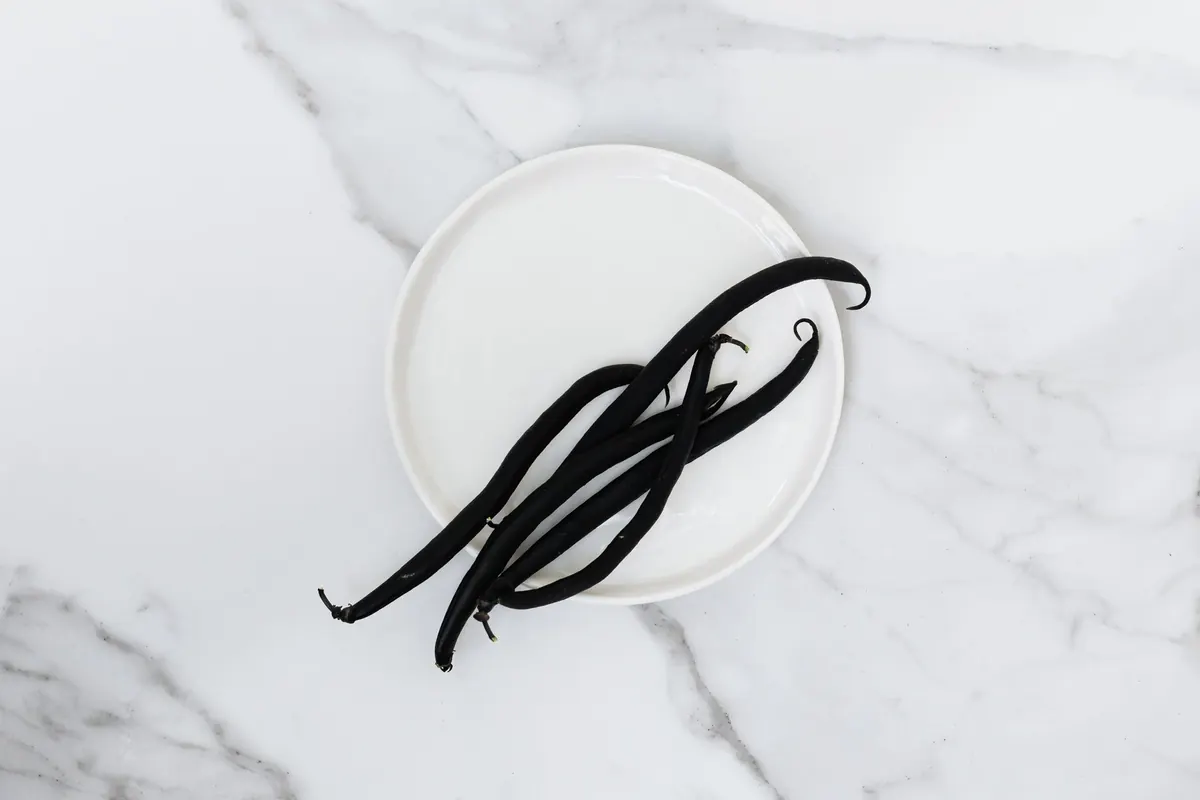
Dry-seeded crops — beans, peas, lettuce, radish, brassicas, flowers — stay on the plant until the seed is nearly dry. Leave bean pods until they rattle when you shake them and the pods are papery. With lettuce, wait until roughly half the seed heads have gone fluffy; then shake the heads into a paper bag, or cut whole stalks and hang them upside down over a cloth. Pick before a long spell of rain if you can, and finish drying indoors.
Wet-seeded crops — tomatoes, cucumbers, melons, squash — carry seed in juicy flesh that needs cleaning. Tomatoes get a short fermentation, which removes the gel sac around each seed and kills off a good deal of surface disease:
- Choose a fully ripe, even slightly overripe fruit from your best plant.
- Scoop the seed and gel into a small jar and add a splash of water.
- Leave it somewhere warm for two to four days, stirring daily, until a mouldy film forms and the good seed sinks.
- Rinse in a sieve under the tap, rubbing gently to free the gel, then drain.
- Spread the seed thinly on a labelled paper plate or coffee filter to dry.
Cucumber, melon and squash seed can usually skip fermentation — just rinse well and dry.
Dry, clean, label
Drying is where good intentions fail. Seed needs air and warmth, not heat. Spread it in a single layer on paper plates, newspaper or a fine screen in a dry room out of direct sun, and turn it once a day. An oven, however low, will cook it. A food dehydrator will too.
The test is simple: a properly dry bean shatters rather than dents when you bite it, and a dry seed snaps instead of bending. Give them a week to ten days, longer in humid weather. Then clean them — rub pods between your fingers over a bowl, blow gently to lift the chaff, or use a sieve that lets seed fall through while stems stay behind. Small bits of chaff are harmless in storage, but damp chaff is not. Label every packet the moment it's dry, with the variety, the year and any note about the mother plant. You will not remember in March.
Store it like you mean it
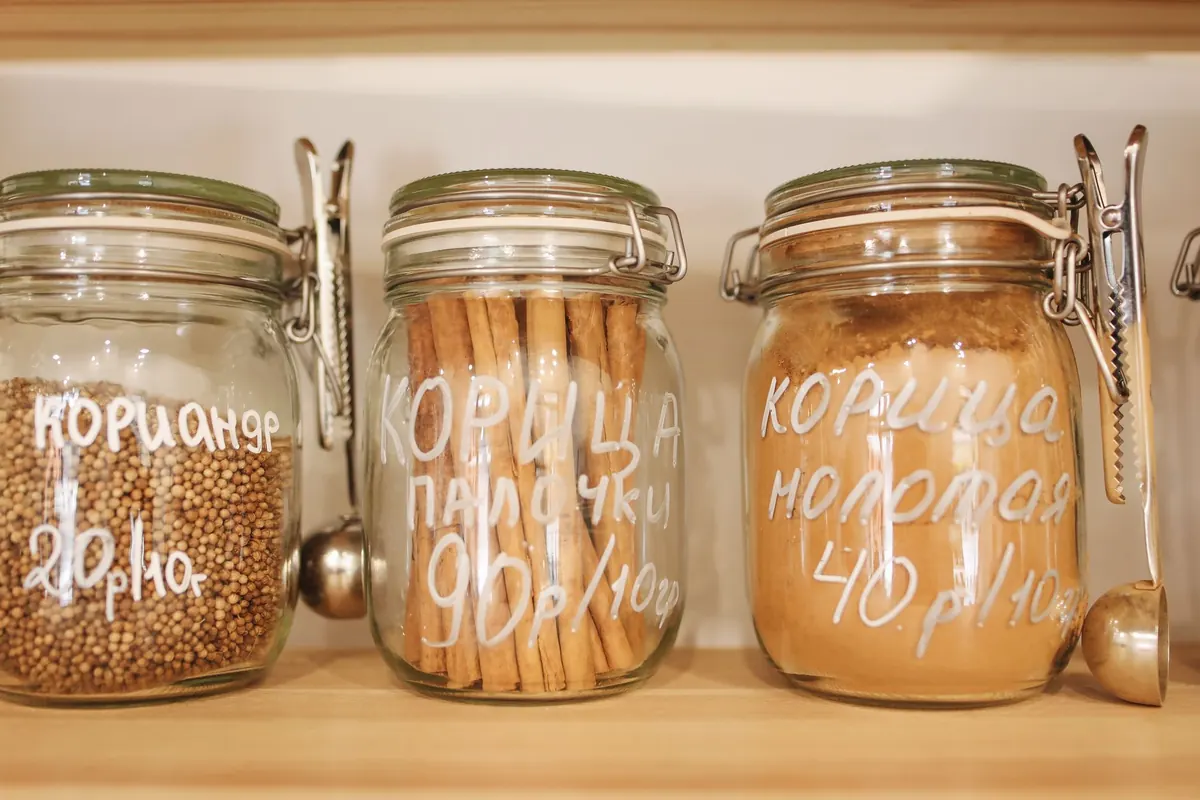
Seed stays alive longest in cool, dark, dry conditions, and it dies quickly in a warm kitchen drawer. Glass jars with tight lids are ideal; paper envelopes work for a season if kept somewhere dry. A small packet of silica gel in the jar helps in damp climates.
- Keep jars in a cool cupboard, a cellar or the bottom of a fridge.
- Label the jar as well as the packet — a loose envelope tells you nothing.
- Avoid freezing unless the seed is very thoroughly dry.
- Store away from mice and from anything that smells strongly; seed absorbs odours.
- Expect most home-saved seed to keep two to five years; onions, leeks and parsnips fade much faster.
A small, well-kept first season
Don't try to save everything this year. Pick three crops — a bean, a tomato, a lettuce, say — and do them properly. Note the dates you sowed, when the seed was harvested, and how the plants performed. In early spring, test a few seeds by folding them into a damp paper towel and leaving it in a warm spot for a week; count how many sprout before you commit a whole bed to them. Share the surplus with a neighbour, and by the third season you'll have your own small seed library, tuned to your garden and your weather. That's the whole trick: start small, keep notes, and let the good plants pay you back.
Photo: Towfiqu barbhuiya / Pexels
You Might Also Like
A practical checklist for drying, labelling, moisture-testing and storing homegrown seeds, so what you save this autumn still germinates strongly next spring.
Soil temperature, not the calendar, decides when a seed wakes up. How to measure it, and which crops want cool ground or warm.